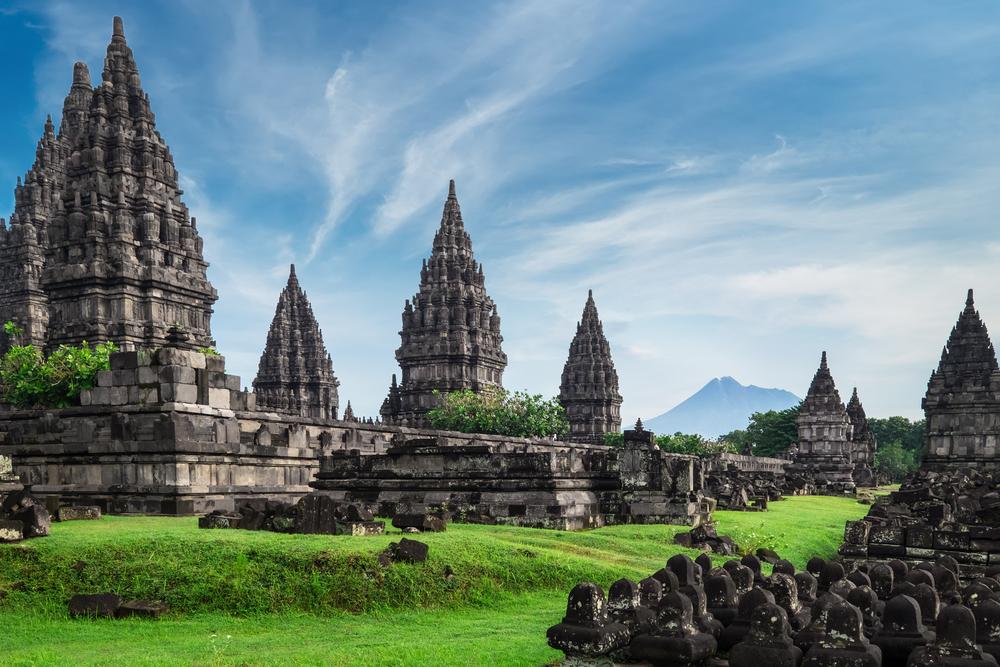
Prambanan Temple Travel Guide: Explore Indonesia’s Legendary Hindu Heritage Site

Planning a visit to Prambanan requires good preparation to enjoy the history, architecture, and cultural value of this incredible landmark. This Prambanan Temple Travel Guide helps travelers discover the temple’s history, attractions, visiting tips, and travel options around Yogyakarta.
Prambanan Temple stands as one of Indonesia’s most impressive cultural destinations. Located near Yogyakarta, this ancient Hindu temple attracts visitors with its towering architecture, detailed carvings, and fascinating historical stories.
However, exploring Prambanan without proper planning can become challenging. Travelers need to consider transportation, visiting times, tickets, and nearby attractions. Therefore, understanding the destination before visiting creates a more comfortable experience.
Discover the History of Prambanan Temple
Prambanan Temple dates back to the 9th century during the Mataram Kingdom period. Ancient Javanese builders created this temple complex to honor the Hindu Trimurti: Shiva, Vishnu, and Brahma.
The Shiva Temple stands as the largest structure in the complex. It reaches approximately 47 meters and features detailed reliefs that tell stories from Hindu mythology.
Moreover, Prambanan reflects the artistic skills and spiritual beliefs of ancient Javanese society. Every carving and structure represents important cultural values that continue to attract visitors today.
For travelers who want deeper historical information, explore this complete guide to Prambanan Temple and the biggest Hindu temple in Indonesia.
Explore the Architecture and Temple Complex
Prambanan offers more than beautiful views. The temple complex provides an opportunity to understand ancient Hindu architecture and Indonesian heritage.
Visitors can explore three main temples dedicated to Shiva, Vishnu, and Brahma. Smaller temples surround the central area and create a balanced architectural design.
Furthermore, travelers can observe stone reliefs that describe stories from the Ramayana epic. These artistic details provide insight into ancient storytelling traditions.
The open temple area also creates excellent photography opportunities. Morning and late afternoon provide the best lighting conditions for capturing the beauty of the structures.
Best Time to Visit Prambanan Temple
The best time to visit Prambanan depends on personal preferences. Early morning offers cooler temperatures and fewer crowds. Meanwhile, sunset creates a dramatic atmosphere around the temple towers.
Travelers should avoid visiting during the hottest hours because the area has limited shade. Wearing comfortable clothing and bringing water will make the visit more enjoyable.
Additionally, visitors should check current opening hours and ticket information before arriving. Travel conditions may change during holidays or special events.
Combine Prambanan With Other Yogyakarta Attractions
Prambanan fits perfectly into a wider Yogyakarta travel itinerary. Visitors can combine the temple with other cultural and natural destinations nearby.
For example, travelers can visit Ratu Boko Temple, explore traditional villages, or enjoy local culinary experiences after their temple visit.
A comfortable travel arrangement helps visitors maximize their time. Explore private Yogyakarta tours with local guides and flexible itineraries for a more convenient way to discover Prambanan and surrounding attractions.
Travel Tips for Visiting Prambanan
Wear comfortable shoes because the temple area requires walking. Bring sunscreen, a camera, and enough water for a better outdoor experience.
Respect the cultural importance of the site by following visitor guidelines. Avoid touching ancient structures and keep the area clean.
Moreover, hiring a local guide can improve your experience. Guides explain historical details and cultural stories that visitors may overlook.
Create Your Prambanan Experience
Prambanan Temple offers a unique combination of history, architecture, and cultural discovery. This ancient Hindu monument allows travelers to connect with Indonesia’s remarkable heritage.
With proper planning, your visit can become a memorable part of your Yogyakarta journey. Explore Prambanan, discover its stories, and experience one of Indonesia’s most fascinating historical landmarks.
