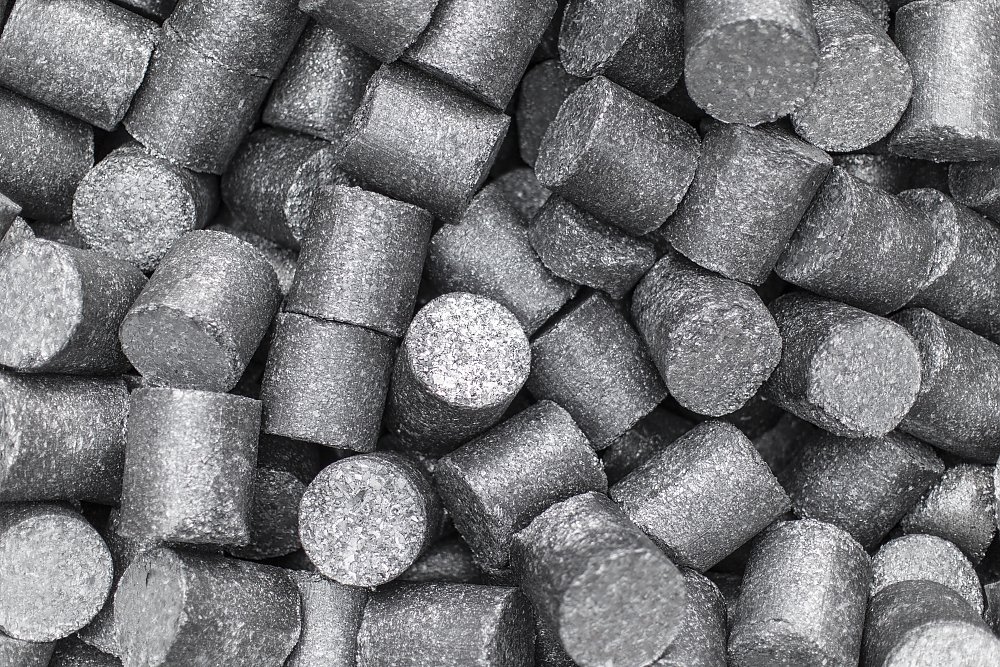
Optimizing the Briquette Carbonization Process: Enhancing Efficiency and Sustainability

Optimizing the Briquette Carbonization Process: Enhancing Efficiency and Sustainability. In the quest for sustainable energy sources and reduced environmental impact, the utilization of biomass as a renewable energy option has gained significant attention. One of the promising avenues within this domain is briquette carbonization—a process that converts biomass into a more energy-dense and environmentally friendly form. However, the effectiveness and efficiency of this process are contingent upon various factors, necessitating careful optimization to maximize its benefits. This article delves into the intricacies of the briquette carbonization process, exploring key optimization strategies aimed at enhancing efficiency and sustainability.
Understanding Briquette Carbonization
Coconut Briquette carbonization involves the transformation of biomass, such as wood, agricultural residues, or organic waste, into briquettes through compaction and subsequent carbonization. This process entails heating the biomass in the absence of oxygen, a method known as pyrolysis, which results in the release of volatile compounds and the formation of charcoal. The produced briquettes exhibit higher energy density and lower moisture content compared to raw biomass, making them an attractive fuel source for various applications, including cooking, heating, and industrial processes.
Optimization Strategies
1. Raw Material Selection
The quality and composition of the biomass feedstock significantly influence the carbonization process and the properties of the resulting briquettes. Optimal raw material selection involves considering factors such as moisture content, particle size, lignin content, and ash content. Biomass with high lignin content tends to produce denser and more durable briquettes, while low moisture content facilitates efficient carbonization and reduces energy consumption during the process.
2. Pre-processing Techniques
Pre-processing techniques, such as drying, grinding, and densification, play a crucial role in preparing the biomass for carbonization. Drying the feedstock to an appropriate moisture level minimizes energy losses during carbonization and ensures uniform heating. Grinding or chipping the biomass to a consistent particle size enhances compaction and promotes uniform carbonization. Additionally, densification techniques, such as pelletizing or briquetting, improve the bulk density of the biomass, thereby increasing the efficiency of the carbonization process.
3. Pyrolysis Conditions
Controlling the pyrolysis conditions, including temperature, heating rate, and residence time, is essential for achieving optimal carbonization outcomes. The temperature range for briquette carbonization typically falls between 300°C and 600°C, with higher temperatures leading to faster conversion rates but increased energy consumption. Balancing the heating rate and residence time is crucial to ensure thorough pyrolysis while minimizing energy input and the formation of undesired by-products, such as tar and volatile organic compounds (VOCs).
4. Carbonization Reactor Design
The design of the carbonization reactor influences heat transfer efficiency, gas flow dynamics, and product quality. Traditional carbonization methods, such as earth mound and brick kilns, are characterized by poor heat distribution and limited control over process parameters. Modern carbonization technologies, such as rotary kilns, retorts, and fluidized bed reactors, offer improved heat transfer mechanisms, better temperature control, and enhanced product consistency. Selecting the appropriate reactor design based on the scale of operation and desired product specifications is essential for optimizing the briquette carbonization process.
5. Utilization of By-products
Efficient utilization of by-products generated during the carbonization process enhances the overall sustainability and economic viability of briquette production. Charcoal fines, tar, and pyrolysis gases can be captured and utilized for various purposes, including heat generation, electricity generation, and as feedstock for chemical processes. By integrating by-product utilization into the production system, waste is minimized, and additional revenue streams are generated, contributing to the overall optimization of the carbonization process.
6. Quality Control and Testing
Implementing robust quality control measures and conducting regular testing throughout the carbonization process ensure the consistency and quality of the briquette products. Parameters such as moisture content, fixed carbon content, ash content, and calorific value should be monitored to meet established standards and customer requirements. Analytical techniques such as proximate analysis, ultimate analysis, and calorimetry facilitate accurate characterization of the briquettes and aid in identifying areas for process improvement.
Case Studies and Success Stories
Several initiatives and projects worldwide have demonstrated the effectiveness of optimized briquette carbonization processes in promoting sustainability and energy security. From community-based initiatives in developing countries to large-scale industrial operations, the adoption of advanced carbonization technologies and optimization strategies has led to significant improvements in energy efficiency, environmental performance, and socioeconomic benefits.
One notable example is the GreenChar project in Kenya, which utilizes agricultural waste such as sugarcane bagasse and maize cob to produce clean-burning charcoal briquettes. By optimizing the carbonization process and incorporating efficient stove technologies, GreenChar has not only reduced deforestation and indoor air pollution but also created employment opportunities for local communities while contributing to climate change mitigation efforts.
Similarly, industrial partners in Europe and North America have invested in advanced carbonization technologies and process optimization to produce high-quality charcoal briquettes for residential heating and barbecue applications. By utilizing automation, process control systems, and renewable energy sources, these facilities have achieved enhanced production efficiency, reduced carbon emissions, and improved product consistency, thereby meeting the growing demand for sustainable fuel alternatives.
Conclusion
The optimization of the briquette carbonization process represents a critical step towards achieving sustainable energy production and mitigating environmental challenges associated with biomass utilization. By implementing a holistic approach that encompasses raw material selection, pre-processing techniques, pyrolysis conditions, reactor design, by-product utilization, and quality control measures, stakeholders can maximize the efficiency, profitability, and environmental benefits of briquette production.
Furthermore, continued research and innovation in carbonization technologies, coupled with supportive policies and market incentives, are essential for accelerating the adoption of optimized briquette carbonization processes on a global scale. Through collaboration and knowledge sharing, we can harness the potential of biomass resources to address energy poverty, promote rural development, and combat climate change, paving the way towards a more sustainable and resilient future.
