Coconut Charcoal Briquette Indonesia’s Answer to Clean Energy
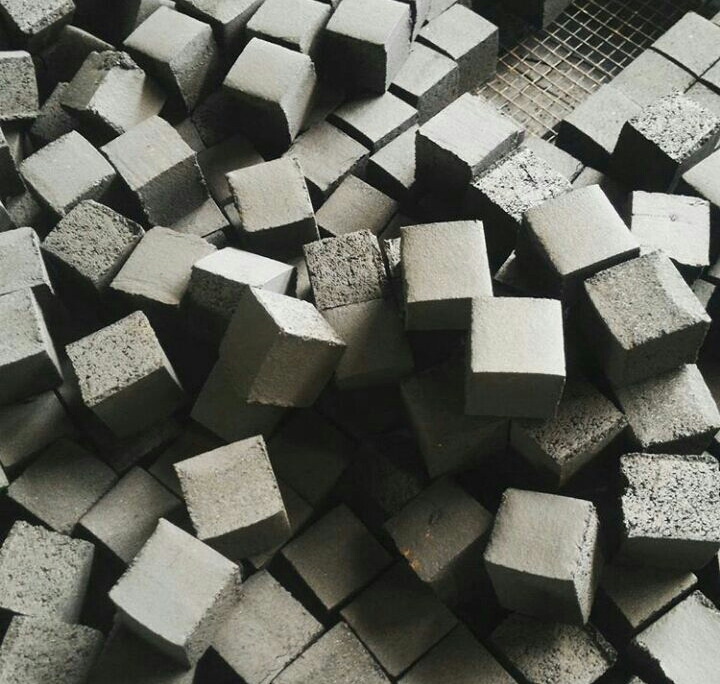
Coconut charcoal briquette Indonesia – These products are a popular and environmentally friendly fuel source that has recently gained popularity, especially among outdoor cooking enthusiasts. As one of the largest coconut producers in the world, Indonesia has become a major supplier of high quality coconut shell charcoal briquettes.
Charcoaling of coconut shells, a by-product of the coconut industry, produces coconut shell charcoal briquettes. The body is cleansed and heated in an oxygen-free environment to remove all moisture and volatile compounds. This process, known as carbonization, produces pure carbon with high energy density, which is then pressed into briquettes for easy use.
One of the significant benefits of coconut charcoal briquettes is their durability. Coconut husks are a natural by-product of the coconut industry, and their use in charcoal production helps reduce waste and promote a circular economy. Additionally, coconut palms grow rapidly and abundantly, making them a renewable resource that can be harvested sustainably.
Quality of Coconut Charcoal Briquettes Indonesia
The great quality of coconut charcoal briquettes is another advantage. Because of their high carbon content, coconut husks are perfect for making charcoal with a long burn period and strong heat output. As a result, coconut charcoal briquettes may be utilized in a variety of culinary applications, including grilling, smoking, and roasting.
Apart from their performance, coconut charcoal briquettes are also highly valued for their natural flavor. Unlike traditional charcoal made from wood, which can impart a smoky flavor to food, coconut shell charcoal briquettes are neutral in taste and aroma. Since coconut charcoal briquettes enable the natural flavors of food to shine through, they are a popular choice for both professional chefs and home cooks.
With its abundant supply of coconut shells and a thriving charcoal industry, Indonesia is one of the world’s leading producers of coconut shell charcoal briquettes. Production usually involves small producers who use traditional methods of carbonizing coconut shells. The resulting charcoal is quickly sorted, crushed and pressed into briquettes.
In recent years, coconut charcoal briquettes have grown in popularity, notably in the United States and Europe. This is due to the increased popularity of outdoor cooking and grilling, as well as the increased interest in ecologically friendly and sustainable fuel sources. Coconut charcoal briquettes are a more sustainable and ecologically friendly alternative to regular wood charcoal.
Maybe you like to read the following article Woven Coconut Coir Geotextiles as An Erosion Control Coconut Matting
Solutions being Implemented by The Industry and The Government
Despite their many benefits, coconut charcoal briquettes are not without their challenges. One of the main problems in the industry is the lack of standardized quality control measures. This has resulted in quality differences between different producers, which can affect mold performance and consistency.
To solve this problem, some coconut briquette producers in Indonesia are implementing stricter quality control measures. This includes testing the carburizing process, moisture content of die-cast parts, and pressure consistency. These procedures help ensure that customers receive consistent, high-quality product every time.
In conclusion, coconut charcoal briquette Indonesia are a popular and environment-friendly fuel source that is gaining popularity recently. As one of the largest coconut producers in the world, Indonesia has become a major supplier of high quality coconut shell charcoal briquettes. Although the industry is facing challenges including the lack of standardized quality control measures, the demand for coconut shell charcoal briquettes is expected to continue to grow in the coming years, owing to the growing popularity of outdoor cooking and the growing interest in sustainable and ecological products. environmentally friendly fuel sources.