The Differents Between Coconut Charcoal and Briquettes
Over the past few years, the use of coconut shell charcoal briquettes has surged, thanks to their environmental benefits and efficiency compared to traditional charcoal. This type of fuel is made from compressed coconut shell charcoal powder and is widely used in various applications such as cooking, grilling, and hookah (shisha). It is also recognized as an eco-friendly solution because it utilizes waste materials from the coconut industry. In this article we talking about the differents between coconut chacoal and briquettes.
The primary difference between traditional coconut charcoal and coconut briquettes lies in their production process and composition. Traditional coconut charcoal is made by burning whole coconut shells in a carbonization process, while briquettes are processed materials made by grinding the charcoal, mixing it with a binder, and compressing it into uniform shapes. Coconut briquettes generally provide more stable heat, last longer, and produce less smoke and ash compared to raw coconut shell charcoal.
The Different Between Coconut Charcoal and Briquettes
Coconut Charcoal (Charcoal from Coconut Shells)
Material
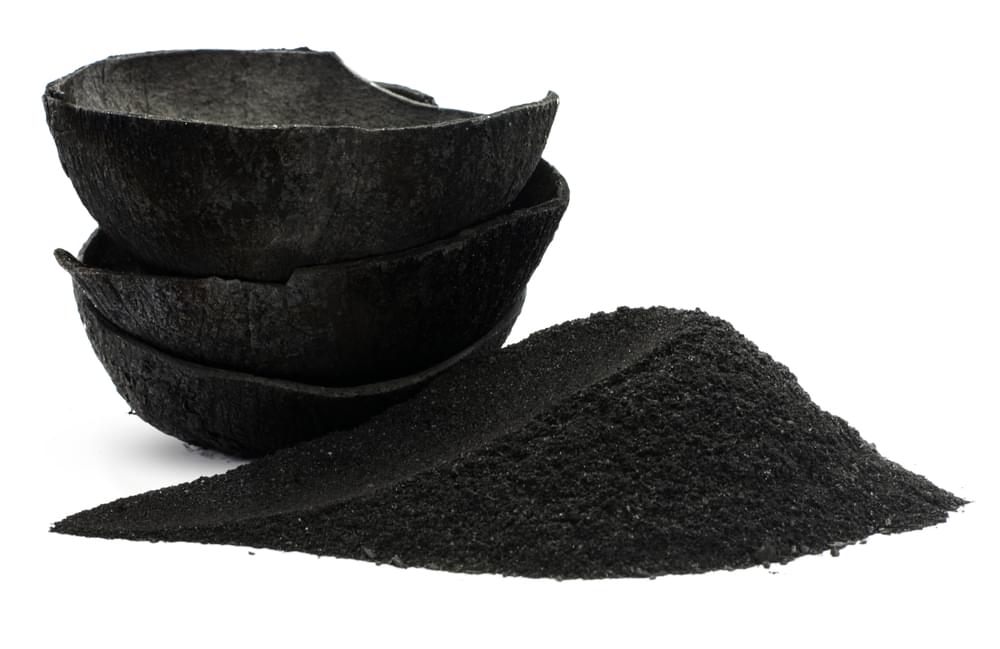
Made from whole coconut shells that are burned directly at high temperatures in a low-oxygen environment (a process called carbonization). This results in natural chunks with irregular shapes.
Process
Coconut charcoal is produced through direct carbonization, eliminating the need for binders. The shells are heated in a kiln or pit until they become blackened and carbonized.
Characteristics
- Irregular shapes and sizes, often brittle or fragile.
- Produces more smoke and ash during combustion.
- Generates very high heat, making it ideal for tasks like barbequing or grilling meat.
- Handling may result in dark stains or soot marks on skin or nearby surfaces
- Natural, without additives, which gives food a distinct smoky aroma that many prefer.
Uses
- Commonly used for cooking, grilling, and barbeque, especially where natural smoke flavor is desired.
- Sometimes used in traditional or rural cooking settings.
Coconut Briquettes
Material
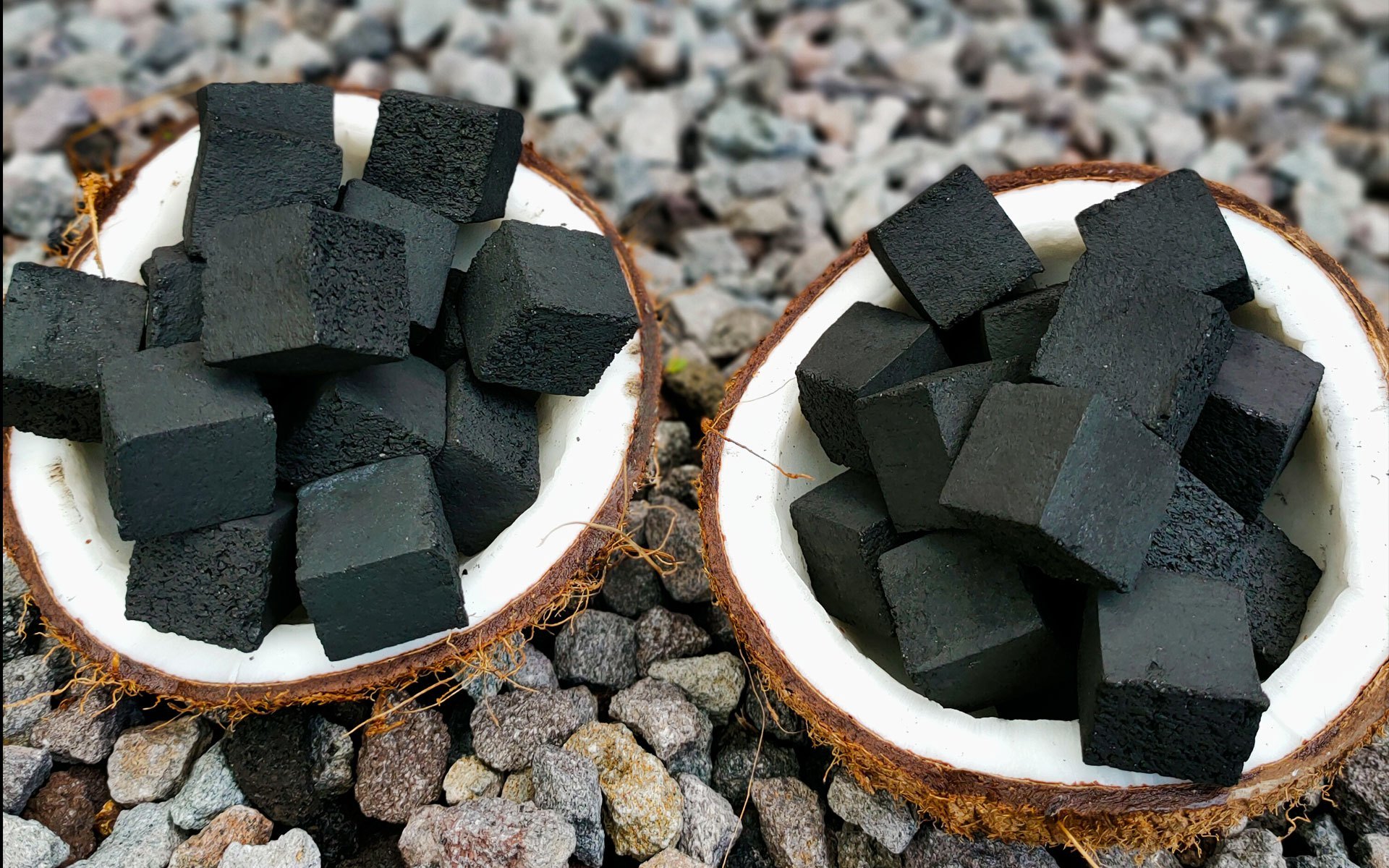
Crafted from coconut shell charcoal powder, a residual product from coconut charcoal production. Blended with natural binders such as tapioca starch, the powder is compressed into neatly shaped briquettes.
Process
The process involves multiple stages.
- Drying the coconut shell charcoal.
- Grinding it into fine powder.
- Mixing the powder with a binder.
- Pressing or molding it into shapes such as cubes, cylinders, or hexagons.
- Drying the final briquettes to remove any moisture.
Characteristics
- Uniform shape and size (cubes, hexagonal sticks, etc.), more compact and dense.
- Longer burning time and more consistent heat output.
- Produces less smoke and minimal ash.
- Cleaner to handle – does not leave black residue on hands.
- Considered more eco-friendly and sustainable due to optimized combustion and waste minimization.
Uses
- Widely used in shisha/hookah, as it provides long-lasting, low-odor heat.
- Well-suited for slow cooking and barbecuing, where a steady, low-temperature burn is essential.
- Increasingly used in export markets due to environmental concerns and growing demand for clean, sustainable fuel alternatives.
Additional Notes
- Environmental Impact:
Coconut briquettes are considered more environmentally friendly. They are made from by-products (waste coconut shells), and their efficient burning reduces air pollution and deforestation compared to wood charcoal. - Storage & Shelf Life:
Both products have long shelf lives, but coconut briquettes are easier to store because of their uniform shape and reduced dust production. - Market Preference:
In international markets, especially in Europe and the Middle East, coconut briquettes are highly valued for use in hookahs and eco-friendly fuel alternatives.