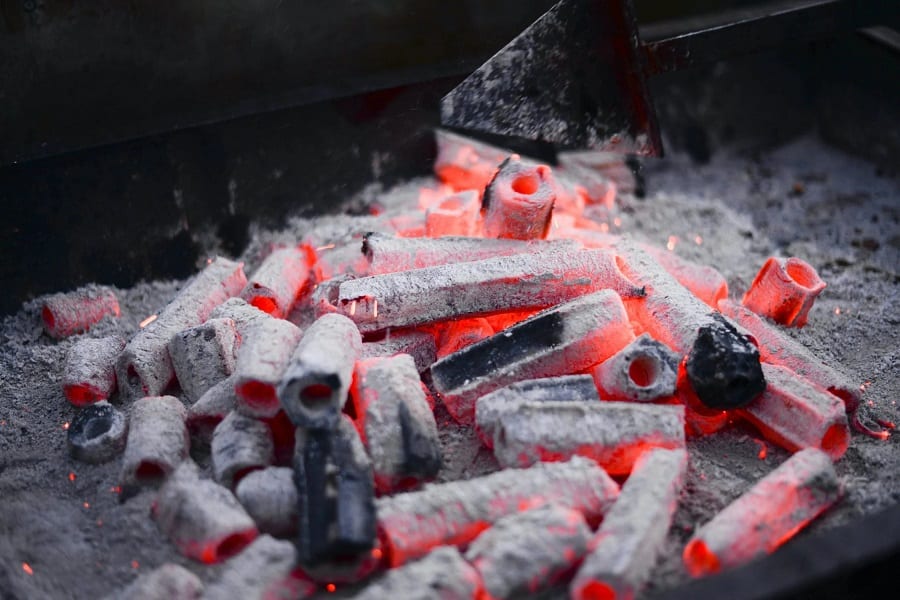
The Rise of Coconut Shell Charcoal Briquettes: A Sustainable Fuel Source

Coconut shell charcoal briquettes have gained popularity as an eco-friendly fuel alternative. Derived from the shells of coconuts, these briquettes make use of what would otherwise be waste, promoting sustainability and environmental conservation.
One of the standout features of coconut shell charcoal briquettes is their high calorific value. These briquettes burn at a higher temperature and for a longer duration than traditional wood charcoal. This efficiency makes them an excellent choice for cooking, heating, and even industrial applications. The prolonged burn time translates to fewer briquettes needed, offering cost savings and convenience for users. Moreover, their consistent heat output ensures a reliable cooking experience, which is particularly valuable in commercial settings like restaurants and food vendors.
From an environmental perspective, coconut shell charcoal briquettes are highly advantageous. The production process involves carbonizing the coconut shells, which results in significantly lower pollutant emissions compared to the production of wood charcoal. Additionally, the lower ash content of these briquettes means less residue to clean up after use, making them more user-friendly. By utilizing coconut shells, a byproduct of the coconut industry, the production of these briquettes helps reduce the need for deforestation, preserving forest resources and biodiversity.
Health benefits are another compelling aspect of coconut shell charcoal briquettes. They produce less smoke and emit fewer harmful chemicals than traditional charcoal, improving indoor air quality and reducing the risk of respiratory problems. This is particularly important in areas where cooking is often done indoors with limited ventilation.
The market for coconut shell charcoal briquettes is expanding globally, driven by an increasing demand for sustainable and environmentally friendly products. Countries with abundant coconut production, such as Indonesia, the Philippines, and India, are major suppliers. This growing industry not only supports environmental goals but also contributes to local economies by providing jobs and income for rural communities.
In summary, coconut shell charcoal briquettes are a superior alternative to traditional fuels. They offer efficiency, cost-effectiveness, and environmental and health benefits. As awareness of these advantages spreads, the adoption of coconut shell charcoal briquettes is expected to rise, fostering a more sustainable and eco-friendly future.
