Tips for Running a High Quality Coconut Charcoal Briquette Business
Tips for Running a High-Quality Coconut Charcoal Briquette Business, The global demand for eco-friendly fuel sources has opened significant opportunities for entrepreneurs, especially in tropical regions where coconuts are abundant.
One of the most promising products in this field is the coconut shell charcoal briquette, known for its clean burn, high heat output, and long-lasting combustion. Whether you are starting small from home or aiming to build a large-scale operation.
Running a successful briquette business requires more than just producing the product—it involves ensuring consistent quality, effective marketing, and efficient management.
Tips for Running a High-Quality Coconut Charcoal Briquette Business

1. Focus on Quality Raw Materials
The foundation of a high-quality briquette lies in its raw materials. Choose mature, fully dried coconut shells with minimal impurities. Avoid shells that have been contaminated with soil, mold, or excess moisture, as these can affect the carbon content and overall burn quality. The better your raw materials, the easier it will be to produce briquettes that burn cleanly and consistently.
2. Master the Carbonization Process
Carbonization is the method of transforming coconut shells into charcoal by applying heat in a controlled, low-oxygen setting. This step is crucial because it determines the charcoal’s fixed carbon content, which directly influences the briquette’s burning time and heat level. Use a well-maintained kiln or drum with proper ventilation control. Consistency in carbonization ensures that every batch of briquettes meets the same performance standards.
3. Use the Right Binder
A binder, often cassava starch or corn starch, is needed to keep the charcoal powder compact and firmly held together. The binder must be mixed evenly to prevent briquettes from crumbling during transportation or burning too quickly. Too little binder will make briquettes fragile, while too much can cause excessive smoke when burning.
4. Maintain the Correct Moisture Content
Moisture content plays a significant role in briquette quality. If the mixture is too wet, briquettes will take longer to dry and may crack. If the mixture is overly dry, it will fail to hold its shape effectively. Aim for a balanced moisture level—just enough for the briquettes to hold their shape while being easy to dry.
5. Ensure Proper Drying
Even if the raw materials and binding process are perfect, poorly dried briquettes will perform badly. Drying under the sun is a cost-effective approach, though it is highly dependent on weather conditions. If you want consistent production, consider investing in a drying oven or solar dryer to speed up the process and ensure uniform dryness.
6. Implement Strict Quality Control
Consistency builds trust with your customers. Regularly test your briquettes for burn time, heat output, and ash residue. Keep a record of each production batch to identify and correct any quality issues immediately. Maintaining high standards not only keeps customers satisfied but also enhances your brand’s professional image.
7. Target the Right Market
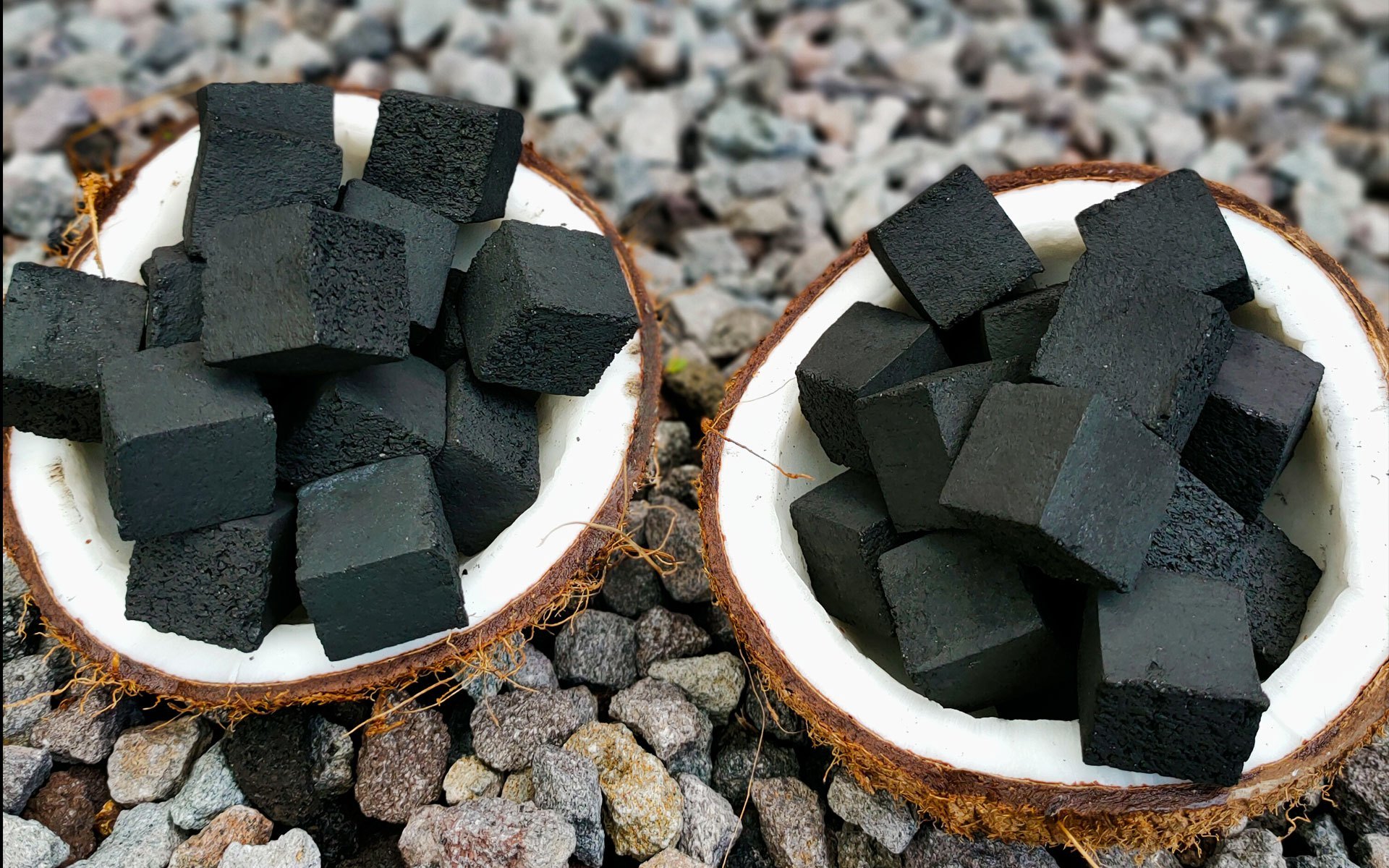
Coconut charcoal briquettes cater to a wide range of markets, including household cooking, BBQ enthusiasts, shisha lounges, and international buyers. Each market has different preferences for size, shape, and packaging. For example, shisha users often prefer small, cube-shaped briquettes that burn evenly, while BBQ users may prefer larger briquettes for longer grilling sessions.
Conclusion
Running a high-quality coconut charcoal briquette business is a blend of technical skill, quality control, and smart marketing. By prioritizing raw material quality, maintaining consistency in production, and building strong customer relationships, you can create a sustainable and profitable business. In a world increasingly focused on renewable energy, producing eco-friendly briquettes is not only a business opportunity but also a contribution to a cleaner, greener future.