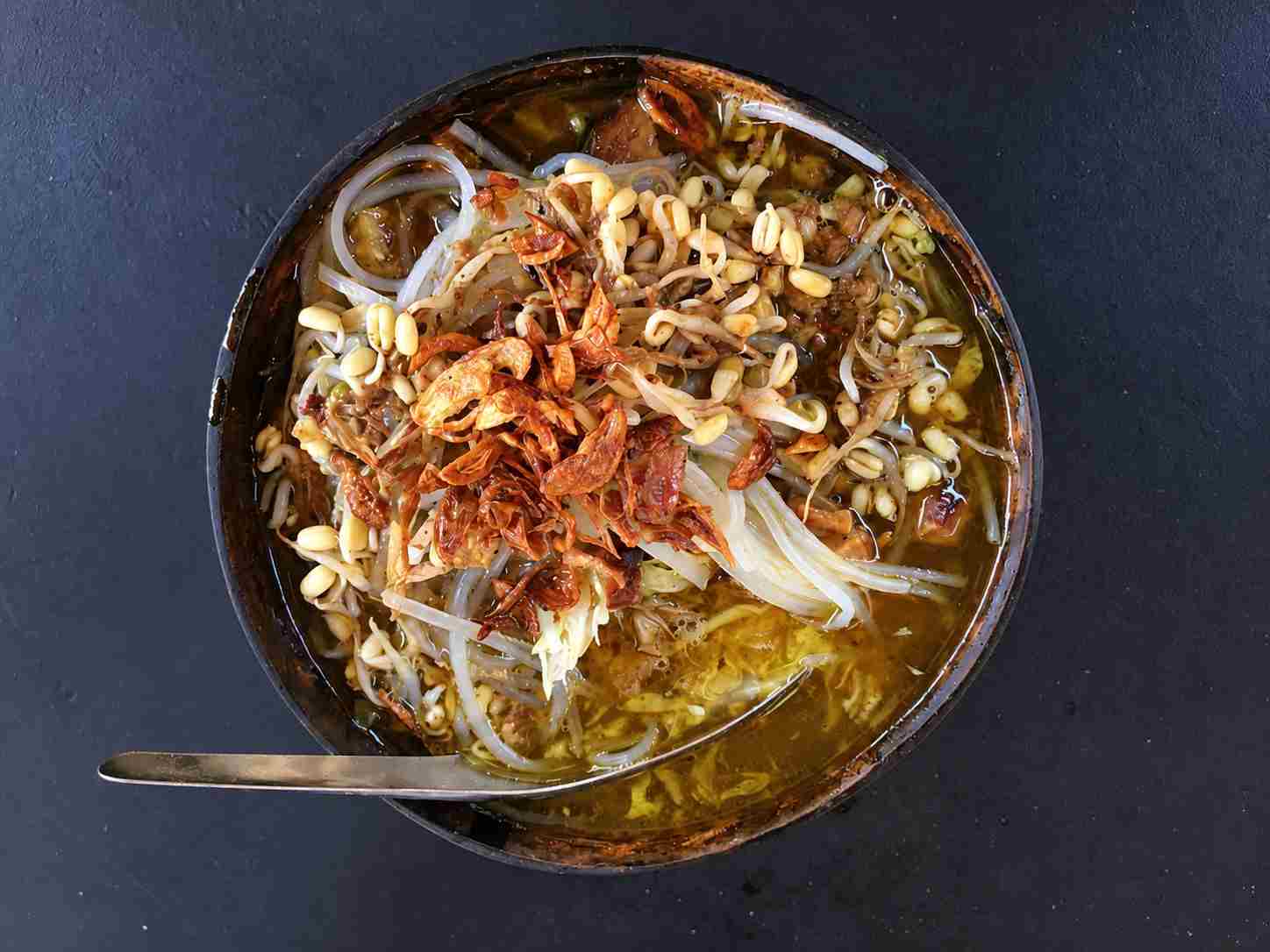
Yogyakarta Culinary Experiences for Food Lovers

Yogyakarta offers a rich food scene that combines tradition, local ingredients, and Javanese flavors. Travelers can enjoy much more than a simple meal. They can visit markets, taste street food, join cooking activities, and learn about local recipes.
Exploring Yogyakarta culinary experiences gives visitors a closer connection to the culture. Food often reflects family traditions, local customs, and the history of the region.
Start with Traditional Dishes
Gudeg remains one of the most famous dishes in Yogyakarta. Cooks prepare young jackfruit with coconut milk, palm sugar, and spices. The result has a distinctive sweet and savory taste.
Many restaurants serve gudeg with rice, chicken, tofu, tempeh, and eggs. Try different places to compare their flavors and preparation styles.
You can also explore dishes such as bakmi Jawa, sate, and various rice-based meals. Each dish offers a different taste of local cuisine.
Explore Yogyakarta Street Food
Street food creates one of the easiest ways to experience the city’s culinary culture. Food stalls appear in markets, neighborhoods, and busy streets.
You may find grilled snacks, fried foods, noodles, rice dishes, and traditional sweets. Vendors often prepare food directly in front of customers.
For more ideas, read this Yogyakarta street food guide. It can help you discover local dishes and useful food experiences around the city.
Visit Local Markets
Traditional markets provide a closer look at everyday food culture. Vendors sell fresh vegetables, spices, fruit, meat, snacks, and prepared meals.
Visit in the morning for the busiest activity. You can watch shoppers select ingredients and vendors prepare their stalls.
Markets also offer a chance to discover ingredients that you may not recognize. Ask vendors about unfamiliar products when appropriate.
Join a Local Cooking Class
A cooking class can turn a meal into a hands-on experience. Local instructors can introduce traditional ingredients, preparation methods, and familiar Javanese recipes.
You may learn how to prepare dishes such as gudeg or other regional foods. Cooking your own meal also gives you a better understanding of the time and skill behind each recipe.
Choose a class that includes a market visit for a more complete experience. You can learn about ingredients before using them in the kitchen.
Taste Traditional Snacks
Yogyakarta has many sweet and savory snacks worth trying. Bakpia remains a popular choice, while other treats use coconut, peanuts, rice flour, and palm sugar.
Visit local bakeries, markets, or specialty shops to explore different varieties. Buy small portions when you want to sample several flavors.
Packaged snacks can also make practical gifts. Check the production date and expiration information before taking them home.
Enjoy Local Coffee and Drinks
Coffee has become an important part of Yogyakarta’s modern food scene. Local cafés serve beans from Java and other Indonesian regions.
You can choose traditional preparation or modern brewing methods. Tea and herbal drinks also provide other options for visitors who prefer lighter flavors.
Spend some time at a local café between sightseeing stops. It can offer a relaxed way to observe the city’s daily rhythm.
Eat with Local Habits
You can learn a lot by observing how locals enjoy their food. Try smaller eateries and neighborhood food stalls instead of choosing only tourist-focused restaurants.
Ask staff about regional specialties when you need recommendations. Be open to unfamiliar dishes and flavors.
For more travel inspiration, cultural activities, and culinary experiences, visit Borobudur Tours.
Make Food Part of Your Journey
The best Yogyakarta culinary experiences connect food with culture and local life. A traditional meal can introduce regional flavors. A market visit can reveal local ingredients. A cooking class can teach techniques that families have shared for generations.
Take time to explore beyond the most famous dishes. Each meal, market, or food stall can add another memorable chapter to your Yogyakarta journey.
